Heimweh Letters is a weekly note for the homesick. Free heritage guide on signup.
- Home
- Newsletter
A Newsletter About Germany, For People With Roots
Most Germany travel writing is aimed at people deciding whether to go.
This one is written for people who already know they're going to, eventually. Not because they saw it on a list of European cities to visit before fifty, but because their family came from there, or their grandparents did, or their surname did. The country means something to them before they even arrive.
That's a different kind of travel interest, and it deserves a different kind of newsletter.
Heimweh Letters is where I write about Germany. The places, the food, the regions, the things travel guides tend to flatten. It's free, it goes out weekly, and signing up also gets you the resource below.
A Free Guide for Families: Before It's Gone
Before It's Gone is a heritage resource I put together for families with German roots who don't want to lose what's still here.
It covers four things:
- How to ask the questions you haven't asked your older relatives yet.
- How to find the specific region in Germany your family came from.
- Which traditions are worth keeping, and how to keep them without making it a project.
- And how to plan a trip back to Germany that means something, rather than a standard holiday with a map.
It's not a travel checklist. It's closer to a conversation about what's worth preserving, written for people who already know the answer but haven't started yet.
Sign up for Heimweh Letters and I'll send it to you as a PDF. No gating or no upsells. It's yours.
What you'll get in your inbox
Regional context, not landmarks. Germany is a federation of sixteen states that can be as compatible as a family reunion. Most travel content treats it as one country. This one doesn't. I cover specific regions like Saxony, Bavaria, the Rhineland, and the former eastern territories. Along with the accents, food, and history that actually make each one different.
The trips travel guides skip. Villages, market towns, and unremarkable districts that don't rank on TripAdvisor but matter if your family came from one of them. Honest notes on what's worth the detour, what isn't, and what you won't get without a hire car and a willingness to eat at the one bakery in town.
Food writing that respects the source. Recipes, traditions, seasonal markers like spargel in May, biscuits in December, and the things a German grandmother knew without having to explain.
My perspective, not a brand's. I'm one person writing this. Canadian-born, Welsh by choice, German at heart. I travel Germany with my own heritage in mind and young children to pass it on to. Expect opinions, occasional stubbornness, and no affiliate link roundups.
About Heimweh Letters
Heimweh is a German word that translates roughly as homesickness, but that undersells it. It implies a longing for somewhere you may never have been, or may never be able to return to. It feels like the right name for a newsletter written for people whose relationship with Germany runs through their family rather than their passport.
I'm Eran. I grew up in Canada with German parents, moved to Wales, and now spend a fair amount of my time writing about Germany for people who have some version of that same story.
Tour My Germany started as a family project. My mother Gerhild, who started it all with her recipe site Quick German Recipes, was part of it from the beginning. And my niece Lydia, who takes care of making sure everything is up-to-date... when she's not throwing herself off a mountain (with a parachute).
Today I run the site and write the newsletter. The family connection is still there in the work, just like in every other aspect of life.
My promise
Heimweh Letters is written by me, Eran Fulson. It goes out from tourmygermany.com and germanatheart.com, which are sister sites under justlikeoma.com. One newsletter, one writer. You'll only receive it once per issue regardless of where you signed up.
It's one letter at a time. No automated sequences, no multiple daily emails, and no selling your information to third parties. The unsubscribe link is at the bottom of every issue, and it works.
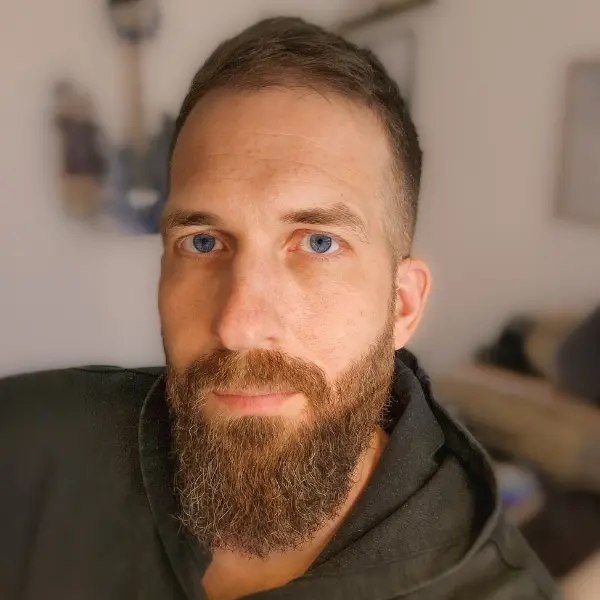
Eran Fulson
German-Canadian heritage traveler. Here for those who feel Germany's pull.
Eran is a first-generation Canadian with German roots, now raising his family in Wales. He didn't grow up in Germany, but he grew up German. That gap between belonging and distance is what shapes how he writes about Germany now. Tour My Germany is for heritage returners. People tracing family roots, reconnecting with a region, or planning a trip that means something. He writes about Germany from a bicultural perspective that most travel writing doesn't have.
Discover our Just Like Oma family of websites:


Across media platforms, the Just Like Oma family of websites are celebrated for making German cooking, travel, and heritage fun & simple to understand, and easily accessible for everyone!


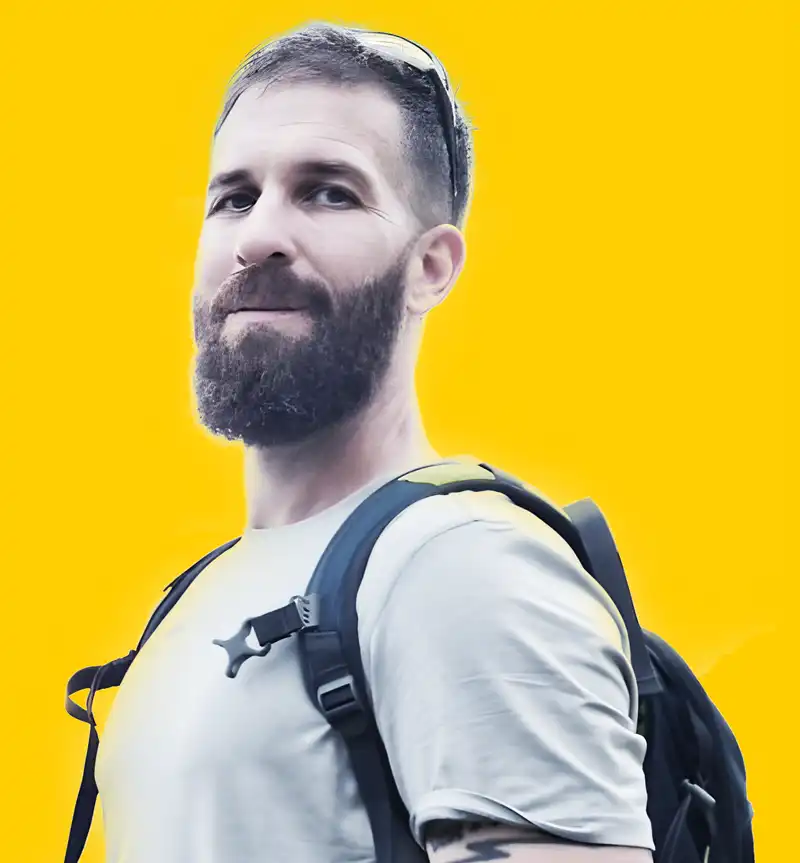
Thanks for checking out this website and all the travel ideas. I hope you’ve found something wunderbar to explore!
Let’s continue the conversation… join me on your favorite social channel as we discover how seeing Germany -- in person or from home -- can be simple and unforgettable!
Cheers,


Copyright © | Tour My Germany (Just like Oma) | All Rights Reserved
Powered by: Make Your Knowledge Sell!
AFFILIATE DISCLOSURE: Tour My Germany participates in various affiliate advertising to provide a means to earn advertising fees by linking to retail websites. We are a participant in the Amazon Services LLC Associates Program, an affiliate advertising program designed to provide a means for us to earn fees by linking to Amazon.com and affiliated sites. We will not promote products WE do not own or would not buy ourselves. Our goal is to provide you with product information and our own personal opinions or ideas. At times, We will showcase services, programs, and products. We aim to highlight ones that you might find interesting, and if you buy items from those companies, we may get a small share of the revenue from the sale.
We are independently owned, and the opinions expressed here are our own.
YOU SHOULD ALWAYS PERFORM DUE DILIGENCE BEFORE BUYING GOODS OR SERVICES ONLINE.
PHOTOGRAPHY: Throughout our site, you'll find photos from our travels across Germany, captured by Eran, Lydia, and Gerhild—each of us passionate about photography, whether as a hobby or a profession. We also feature reader-contributed images and curated stock IMAGES BY Deposit Photos and others, offering diverse perspectives to help you explore and appreciate the beauty of Germany.